
From salt-marsh lamb to afternoon tea — a practical guide for travellers who plan trips around food.
 Four nations, one larder
The single most useful thing a traveller can know about cuisine in the United Kingdom is that its reputation is thirty years out of date. The country that was mocked for boiled vegetables now holds around 190 Michelin stars, runs one of the most sophisticated producer networks in Europe, and has built an entire restaurant culture on the idea that the ingredient, not the technique, is the point.
The change came from geography rather than fashion. Britain is a set of islands with a long, cold coastline, high rainfall and excellent grazing. That combination produces outstanding shellfish, exceptional dairy, slow-grown lamb and beef, and a short, intense growing season that makes seasonality genuinely meaningful rather than decorative.
Modern British cooking took those advantages and stopped apologising. The best kitchens in this catalogue — from a Kentish pub to a Cumbrian smithy — all follow the same logic: source obsessively, cook simply, waste nothing, and preserve everything you cannot use today.
Below you will find what to order in each region, how the seasons work, and which dishes are worth planning a journey around.
Six regions, six completely different larders — and the restaurant in our catalogue that shows each one at its best.
Langoustine, hand-dived scallop, brown crab, lobster, wild salmon and Highland venison. Scottish shellfish is among the best in the world and most of it is exported; eating it at source is a genuinely different experience. Add Ayrshire potatoes, Isle of Mull cheddar and, of course, single malt.
Eat it at The Three Chimneys, Isle of Skye
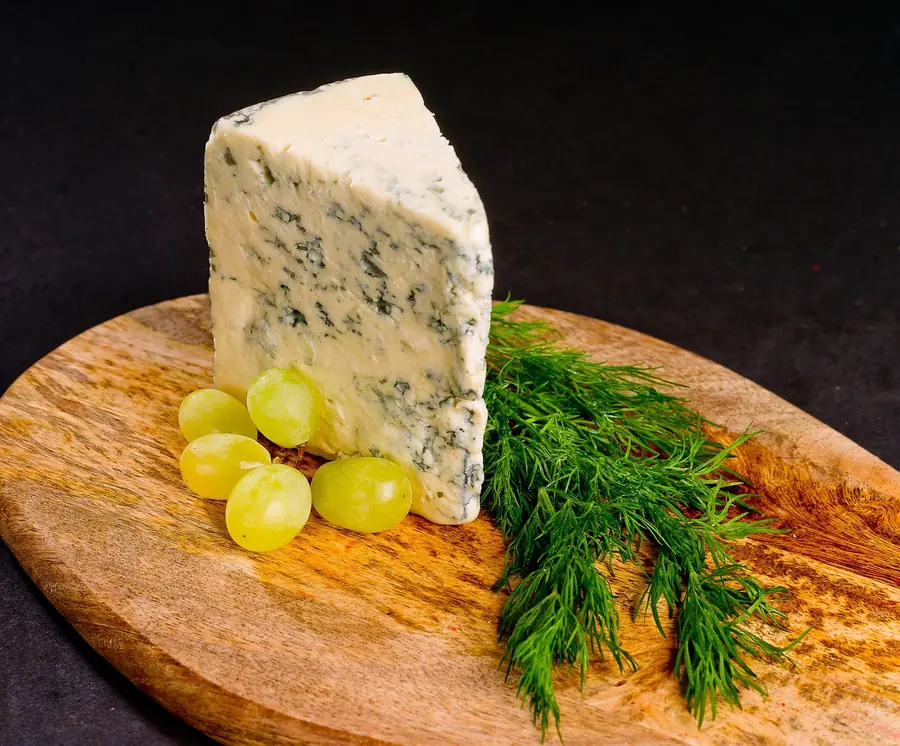
Herdwick and Swaledale mutton, aged beef, forced Yorkshire rhubarb (January to March, grown in the dark), Wensleydale and Yorkshire blue cheeses, moorland game and an extraordinary tradition of preserving and pickling to bridge the long winters.
Eat it at L'Enclume, Cartmel
Day-boat fish landed at Padstow and Newlyn, Porthilly and Fal oysters, crab and lobster, clotted cream, Cornish early potatoes and some of the richest dairy in Britain. This is the region where the sea and the pasture are both at their best.
Eat it at Paul Ainsworth at No. 6, Padstow
Whitstable oysters, salt-marsh lamb, Romney sheep, hops and orchards — Kent is called the Garden of England for good reason. It is also now the centre of English sparkling wine, grown on the same chalk seam that runs under Champagne.
Eat it at The Sportsman, Seasalter
Not a larder but a marketplace: everything from every region arrives here first. London is where modern British cooking is tested, and where the most technically ambitious kitchens in the country operate — alongside the best Indian, Chinese and Levantine food in Europe.
Eat it at The Clove Club, Shoreditch
Salt-marsh lamb from the Gower and the Dee estuary, Welsh Black beef, laverbread (a seaweed purée eaten at breakfast), cockles from Penclawdd, Caerphilly cheese and outstanding sea bass and lobster from the west coast.
Eat it at Ynyshir, Powys
Order these, in these places, and you will understand British food far better than any guidebook can explain it.
| Dish | Where it is best | Season |
|---|---|---|
| Fish and chips | Any coastal town; Whitstable and Padstow especially | All year |
| Sunday roast with Yorkshire pudding | Country pubs across England | All year, Sundays |
| Native oysters | Whitstable (Kent), Porthilly (Cornwall) | September to April |
| Salt-marsh lamb | Kent, the Gower, Morecambe Bay | June to October |
| Grouse | Yorkshire and Scottish moors | 12 August to December |
| Cornish crab | Padstow, Newlyn, St Ives | April to November |
| Afternoon tea with scones | Devon, Cornwall, London hotels | All year |
| Forced Yorkshire rhubarb | The Rhubarb Triangle, West Yorkshire | January to March |
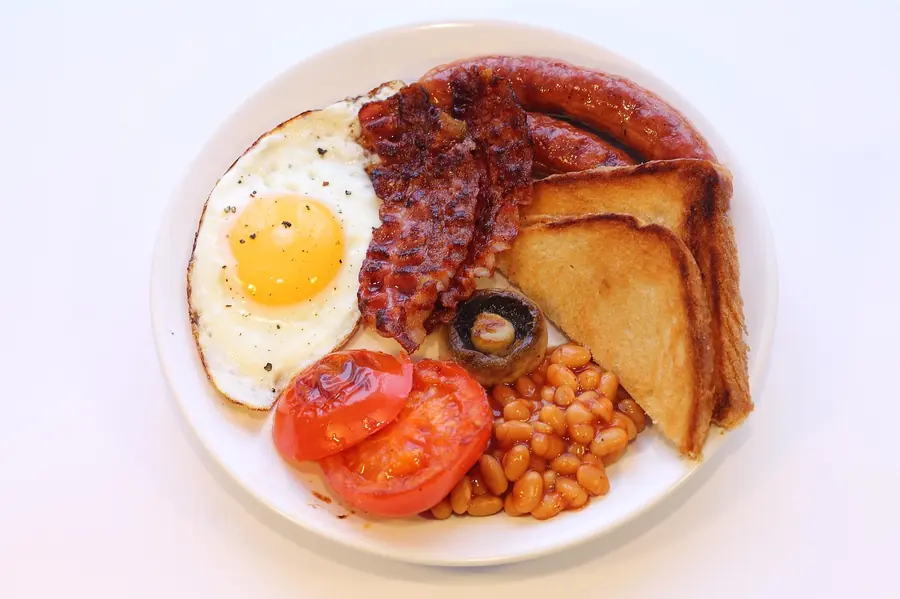
| Full English or Scottish breakfast | Everywhere; best in a proper café | All year, mornings |
| Sticky toffee pudding | Cartmel, Cumbria — where it was popularised | All year |
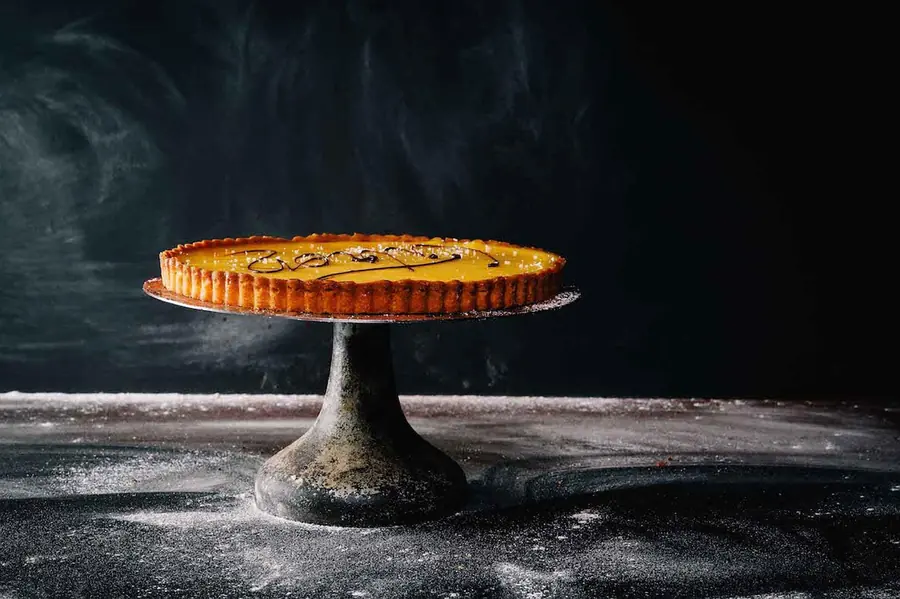
Game in October. Rhubarb in February. Oysters in the months with an R. Tell us when you can travel and we will tell you which of the nine restaurants will be at its absolute best.
Check the best season for my trip
Lunch generally runs 12:00 to 14:30 and dinner 18:00 to 21:30, with last orders earlier than in southern Europe. Outside cities, many kitchens close between services and several of the venues in our catalogue serve only one sitting per evening. Arriving at 21:00 expecting dinner is the single most common mistake visitors make.
A discretionary service charge of 12.5% is usually added at restaurants of this level and it is entirely acceptable to ask for it to be removed if service was poor. Where no charge is added, 10–12.5% is normal. Tipping is not expected at all in pubs when ordering at the bar.
Yes — and the evidence is structural rather than anecdotal. Britain holds around 190 Michelin stars, and more importantly has a dense network of small producers, cheesemakers, day boats and market gardens that simply did not exist in 1990. The change is deepest outside London.
Exceptionally well by European standards. Most high-end British kitchens run a full parallel vegetarian tasting menu, not a reduced version, and several — L'Enclume and The Black Swan in particular — are arguably better vegetarian than omnivore. Vegan requires more notice but is widely possible.
Genuinely, yes. English sparkling wine from Kent, Sussex and Hampshire grows on the same chalk seam that runs beneath Champagne and now regularly beats it in blind tastings. Still whites from Bacchus and Chardonnay have improved sharply since about 2018. Ask for it — every venue in our catalogue lists some.
A pub that takes its kitchen as seriously as its beer — a category Britain effectively invented in the 1990s. At the top end it produces some of the best value eating in Europe: The Sportsman at Seasalter holds a Michelin star and charges pub prices for the room it serves it in.
See the nine restaurants where British cuisine is at its most convincing.